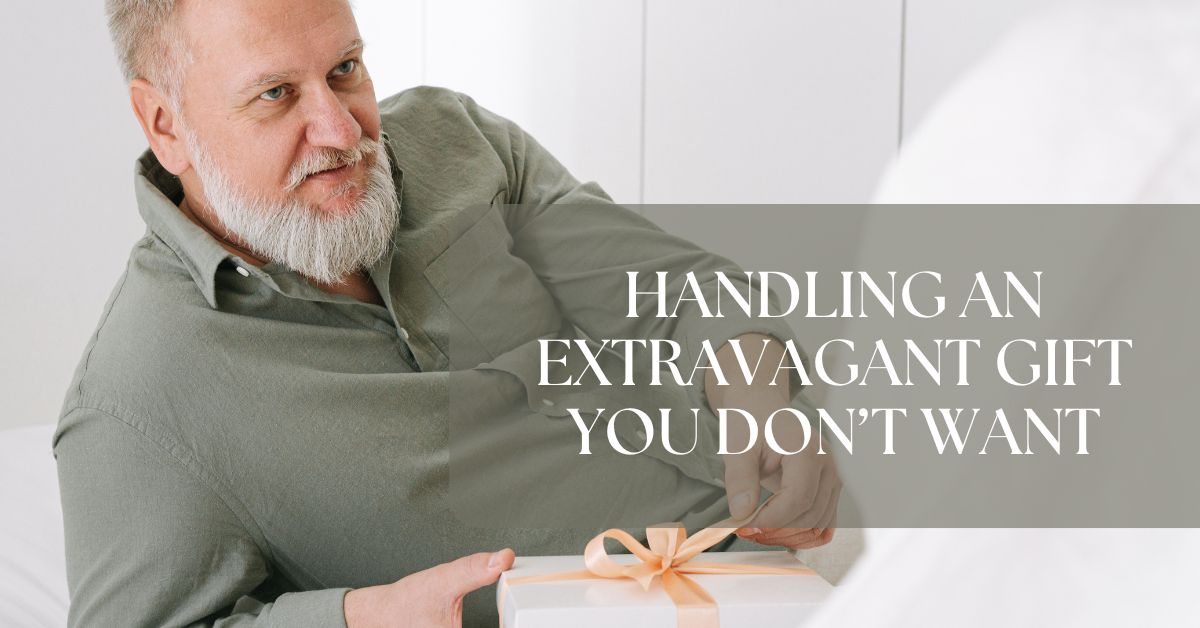
What To Do If Someone Buys You An Extravagant Gift And You Don’t Want It

Navigating gift etiquette during holidays can feel surprisingly tricky—especially when someone hands you an extravagant gift you don’t actually want, need, or feel comfortable accepting. For many mature singles, receiving lavish presents can stir up unexpected pressure or awkwardness. You might worry about what the gift “means,” whether you’re expected to reciprocate, or how to decline it without hurting feelings.
But here’s the good news: there are graceful, kind, and confidence-building ways to handle unwanted gifts. Whether you’re dating again later in life, building new friendships, or simply expanding your social circle, knowing how to navigate moments like these can help you stay grounded and maintain healthy boundaries.
Let’s walk through practical, real-life strategies that keep relationships warm while honoring your comfort zone.
Why Extravagant Gifts Can Feel Complicated
Receiving something big—like jewelry, luxury items, or expensive experiences—can create emotional weight. Maybe you’re not that close to the giver yet, or maybe their generosity feels mismatched with the relationship. Whatever the reason, your feelings are valid.
Gift-giving can stir up things like:
- Pressure to reciprocate
- Worry that you’re sending the wrong romantic signal
- A sense of indebtedness
- Concern that the giver is moving too fast
- Discomfort because the gift doesn’t fit your values or lifestyle
No matter the situation, you’re allowed to set the pace.
How to Politely Receive a Gift You Don’t Want
Even if you decide you won’t keep the gift long-term, the moment you receive it still matters. Here’s how to honor the gesture without compromising your boundaries.
- Start with gratitude
- A simple “Thank you for thinking of me” is warm without being over-the-top.
- You’re acknowledging the effort, not endorsing the extravagance.
- Avoid promising you’ll use it
- Skip lines like, “I’ve always wanted this!” or “I’ll wear it every day.”
- Keep your language neutral so you don’t deepen expectations.
- Stay calm if the gift feels emotionally loaded
- Trust your instincts. If it feels like too much, it probably is too much.
- You don’t have to react immediately—especially in dating. Give yourself time to think.
Handling Unwanted Gifts: What You Can Say
Once the initial moment has passed, you may want to address your discomfort in a gentle, thoughtful way.
Here are options depending on the relationship:
For someone you’re newly dating:
- “This is incredibly generous. I really appreciate the thought, but it feels a bit too much for where we are right now.”
- “You’re very kind, but I’m not comfortable accepting something this expensive yet.”
For a friend or someone whose intentions feel unclear:
- “Thank you—this means a lot. But the gift is more than I can comfortably accept.”
- “Your thoughtfulness matters more to me than the gift, and this one feels a little beyond my comfort zone.”
For someone who loves giving gifts but tends to overdo it:
- “I value your generosity, and I also want to keep things balanced between us. Could we keep gifts simple going forward?”
These simple, honest phrases keep communication open and reduce the chance of misunderstandings.
When It’s Okay to Decline a Gift—And How to Do It Kindly
Declining a gift may feel bold, but it’s perfectly acceptable when the situation calls for it. Many people, especially in dating later in life, worry about hurting someone’s feelings. But a polite boundary is healthier than silently carrying discomfort.
You might choose to decline a gift if:
- It’s too expensive or intimate
- It creates emotional expectations you’re not ready for
- The relationship is new or undefined
- You feel pressure or manipulation
- You simply don’t want it
A gentle decline can follow this structure:
- Thank them
- State your boundary
- Offer an alternative (optional)
Example:
“Thank you so much for thinking of me. This is a very generous gift, but it’s more than I can accept. I’d feel better about something small or something we can enjoy together.”
Sincere people will understand. And anyone who reacts poorly is giving you useful information.

Gift Etiquette During Holidays: Keeping Things Comfortable and Meaningful
The holidays add another layer of complexity. People feel nostalgic, sentimental, or even lonely. It’s easy for a gift to become bigger or more symbolic than intended.
Here’s how to keep holiday gifting stress-free:
- Set expectations early. A quick, “Let’s keep gifts simple this year” goes a long way.
- Suggest categories. Books, baked goods, or shared experiences all stay low-pressure.
- Avoid matching extravagance tit-for-tat. Relationships aren’t scoreboards.
- Remember that presence matters more than presents. Especially in mature dating, your time and connection are the real gifts.
If someone goes overboard despite the conversations you’ve had, that’s a cue to revisit boundaries—not to adjust your comfort level.
What To Do With a Gift You Don’t Want
Once the moment has passed and you’ve decided you won’t keep the extravagant gift, you have a few options depending on your comfort and the relationship dynamic.
- Return it to the giver
This is the cleanest option when the gift feels like a mismatch.
- “I really appreciate you thinking of me, but I’d feel better returning this to you.”
- Offer the gift back gently, without drama or apology.
- Suggest exchanging it for something simpler
Some givers love the act of giving and will happily adjust.
- “This is lovely, but it doesn’t quite fit me. Would you mind if we exchanged it for something small that feels more comfortable for me to accept?”
- Keep it but set clear future boundaries
If declining feels too awkward, holding onto the gift is okay—as long as you clarify expectations moving forward.
- “Thank you again for the gift. For future occasions, let’s keep things simple between us so neither of us feels pressure.”
- Donate it (if appropriate)
If the giver truly doesn’t mind, donating the item can transform the awkward moment into kindness that benefits someone else.
Emotional Aftercare: Taking Care of You
Many mature singles underestimate how emotionally heavy gift-giving situations can feel. You might worry you’ve been rude, misinterpreted, or overly sensitive. But honoring your comfort level is a form of self-respect—and a healthy relationship skill.
Give yourself permission to:
- Reflect on what made you uncomfortable
- Reaffirm your boundaries
- Notice whether the giver respects those boundaries
- Recognize patterns if this isn’t the first time someone has crossed a line
Sometimes extravagant gifts are just enthusiastic gestures. Other times, they’re attempts to fast-track intimacy or buy affection. Paying attention to cues helps you protect your emotional wellbeing.
When a Gift Signals More Than You’re Ready For
This is one of those moments best handled thoughtfully rather than reactively. If you sense the gift represents deeper feelings you’re not prepared to reciprocate, speak up—kindly but clearly.
A simple, grown-up conversation might look like:
- “I want to be honest with you because I value our connection. This gift feels like it carries more meaning than I’m ready for. I’d like us to stay on the same page emotionally.”
Open communication prevents misunderstandings and keeps the relationship grounded in mutual respect.
Building Confident Boundaries Later in Life
If you haven’t practiced boundary-setting in relationships before, it’s never too late to start. In fact, dating later in life often means you have more clarity about what you want—and don’t want.
Accepting or declining gifts is just one expression of your boundaries. Each time you navigate these moments honestly, you’re strengthening your relationship skills and setting the tone for healthier connections moving forward.
Remember:
- Boundaries are not walls
- Saying “no” is not unkind
- You’re protecting your peace, not rejecting the person
- Healthy people appreciate clarity
These skills create stronger foundations for love, companionship, and intimacy as you continue your journey.
Keep Connections Warm While Honoring Yourself
You don’t need to abandon warmth to stand firm. Small gestures—like handwritten notes, shared activities, or heartfelt conversations—can show appreciation without accepting something you don’t want. Mature dating thrives on emotional honesty and reciprocal comfort, not extravagance.
Over time, people who care for you will adjust their expectations and celebrate your honesty. The right people want you to feel comfortable, not overwhelmed.
Read More Dating & Relationship Advice for Mature Singles
Gift-giving can be beautiful, tricky, emotional, and everything in between. The key is staying true to yourself while showing kindness to others. If you’re looking for more practical, real-world guidance on dating, relationships, sex, and living fully later in life, explore our other posts on Mature Singles Finding Love. Your next insight, inspiration, or “aha” moment might be just one article away.