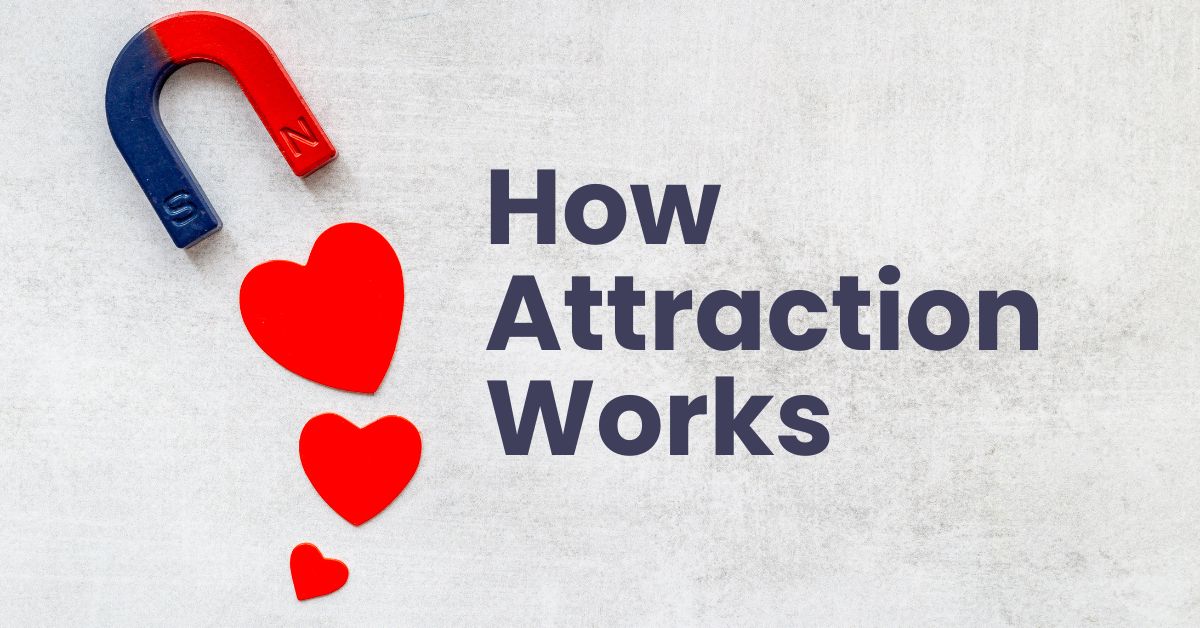
The Science Behind Attraction: What Really Draws Us In

Attraction can feel mysterious—like a spark you can’t explain or a pull that shows up out of nowhere. One minute you’re perfectly content, the next you’re thinking about someone’s smile, voice, or the way they made you feel truly seen. While romance often feels magical, there’s a lot going on behind the scenes. The science of attraction helps explain why we’re drawn to certain people, especially later in life when our experiences, priorities, and self-awareness are deeper than ever.
If you’re dating or thinking about dating again, understanding what fuels attraction can help you make better choices, feel more confident, and recognize meaningful connections when they appear.
What Attraction Really Is (And What It Isn’t)
Attraction isn’t just about physical chemistry or instant fireworks. In fact, especially for mature singles, attraction tends to be layered and complex. It’s a mix of biology, psychology, personal history, and emotional needs.
At its core, attraction is the brain’s way of saying, “Pay attention—this person matters.” That signal can be triggered by many things, not all of them obvious.
Over time, our brains learn what feels safe, exciting, comforting, or validating. Those patterns shape who we’re drawn to, often without us realizing it. That’s why attraction can feel automatic, even though it’s influenced by years of lived experience.
The Biology Behind the Spark
Let’s start with the physical side. Biology plays a role in attraction at every age, even if it looks different than it did in our twenties.
When you’re attracted to someone, your brain releases a cocktail of chemicals, including:
- Dopamine – linked to pleasure, motivation, and that “can’t stop thinking about them” feeling
- Oxytocin – often called the bonding hormone, associated with trust and closeness
- Serotonin – affects mood and emotional balance
- Testosterone and estrogen – influence desire and physical attraction in all genders
These chemicals don’t just affect romantic feelings. They also impact how energized, optimistic, and emotionally open you feel around someone.
Later in life, attraction may be less about intensity and more about steadiness. The body still responds, but many people notice they’re drawn to connections that feel calming, warm, and emotionally grounding rather than overwhelming.
The Psychology of Attraction: Why Some People Just “Click”
While biology lights the match, psychology keeps the fire going. The psychology of attraction explains why personality, behavior, and emotional dynamics matter so much—often more than looks.
Here are some powerful psychological factors that influence attraction:
Familiarity and Comfort
We tend to feel attracted to people who feel familiar. This doesn’t mean boring—it means emotionally recognizable. Someone who communicates in a way that feels safe or reminds us (in healthy ways) of positive past relationships can feel instantly appealing.
Emotional Availability
Attraction grows when someone is emotionally present. Being able to listen, share feelings, and show empathy creates a sense of connection that goes far beyond surface-level charm.
Confidence Without Ego
Confidence is attractive at any age, but it looks different later in life. It’s less about bravado and more about self-acceptance—knowing who you are, what you want, and being comfortable in your own skin.
Shared Values
Chemistry may start things, but shared values sustain attraction. Similar views on family, lifestyle, health, intimacy, and future goals create a deeper sense of alignment that feels naturally attractive.

The Science of Attraction and Life Experience
One of the most interesting things about attraction later in life is how much clearer it becomes. The science of attraction shows that as we gain experience, our brains get better at recognizing what actually works for us.
You may notice that you’re less drawn to “types” and more drawn to how someone treats you. Many mature singles report feeling most attracted to people who:
- Make them feel respected and heard
- Communicate openly and honestly
- Show consistency and reliability
- Share emotional depth and curiosity
This shift isn’t settling—it’s evolving. Your attraction system has been refined by experience, and that’s a strength.
What Makes Someone Attractive Beyond Looks
Physical attraction still matters, but it’s rarely the whole story. Research consistently shows that non-physical traits play a huge role in long-term attraction.
Here are qualities that tend to increase attraction over time:
- Kindness – Simple acts of thoughtfulness leave a lasting impression
- Sense of humor – Laughing together builds instant connection
- Authenticity – Being real is far more attractive than trying to impress
- Good communication – Expressing needs clearly and listening well
- Emotional intelligence – Understanding emotions (yours and theirs) strengthens bonds
Many people find that attraction deepens as they get to know someone. That slow-burn connection can be incredibly powerful—and often more satisfying than instant sparks.
The Role of Self-Attraction (Yes, That’s a Thing)
One often-overlooked part of attraction is how you feel about yourself. The way you see yourself influences who you’re drawn to and how others respond to you.
When you feel confident, grounded, and content with your life, you naturally project a sense of ease. That energy is attractive. It signals that you’re not looking for someone to complete you—you’re looking to share something meaningful.
Ask yourself:
- Do I feel good about who I am right now?
- Am I open to connection, or guarding myself too tightly?
- Am I attracted to people who treat me well, or just those who excite me?
These reflections can gently reshape your attraction patterns in healthier, more fulfilling ways.
Practical Ways to Build Attraction When Dating
Attraction isn’t only something that happens to you—it’s also something you can nurture. If you’re dating or thinking about putting yourself out there, small shifts can make a big difference.
Try these practical tips:
- Be present – Put the phone away and engage fully
- Ask meaningful questions – Go beyond small talk
- Share a little vulnerability – It invites connection
- Take care of yourself – Physically, emotionally, and socially
- Trust your body’s signals – Notice how someone makes you feel, not just how they look
Attraction often grows in moments of genuine connection, not grand gestures.
When Attraction Feels Confusing
Sometimes attraction doesn’t make sense. You might feel drawn to someone who isn’t quite right, or feel unsure about someone who looks great on paper. That’s normal.
Attraction can be influenced by old patterns, unresolved emotional needs, or even stress and loneliness. Paying attention to why you’re attracted can be just as important as noticing that you are.
If something feels intense but unstable, it’s worth slowing down. Healthy attraction tends to feel energizing and grounding—not anxious or draining.
Attraction Is Less About Finding “The One” and More About Feeling Right
Later in life, attraction often becomes less dramatic and more meaningful. It’s about how someone fits into your life, not how much they disrupt it. It’s about feeling valued, understood, and comfortable being yourself.
The science and psychology of attraction don’t take the magic out of love—they help you recognize it when it’s real.
Curious to Learn More About Love Later in Life?
Understanding attraction is just one piece of the puzzle. Relationships, intimacy, communication, and confidence all evolve as we do—and exploring them can be both empowering and fun.
If you enjoyed this, be sure to explore our other blogs here at Mature Singles Finding Love. We share practical dating tips, honest relationship advice, and lifestyle insights designed for people who know themselves and are ready for meaningful connection. Your next chapter deserves just as much excitement, warmth, and possibility as any before it. 💛